
Artificial intelligence is already changing the way clinicians approach image-based diagnosis in endoscopy. Computer-aided detection can help identify abnormalities within the endoscopic image, supporting clinicians during the search for lesions.
But there is another question that deserves equal attention:
What happens when the mucosa has not been adequately visualised in the first place?
For Core Scope Endoscopy, this is one of the central challenges in the development of its intelligent colonoscopy platform.
What AI can see depends on what has been seen
Existing AI approaches in colonoscopy primarily focus on analysing what appears within the endoscopic image. This can be valuable for detecting abnormalities that are visible to the system.
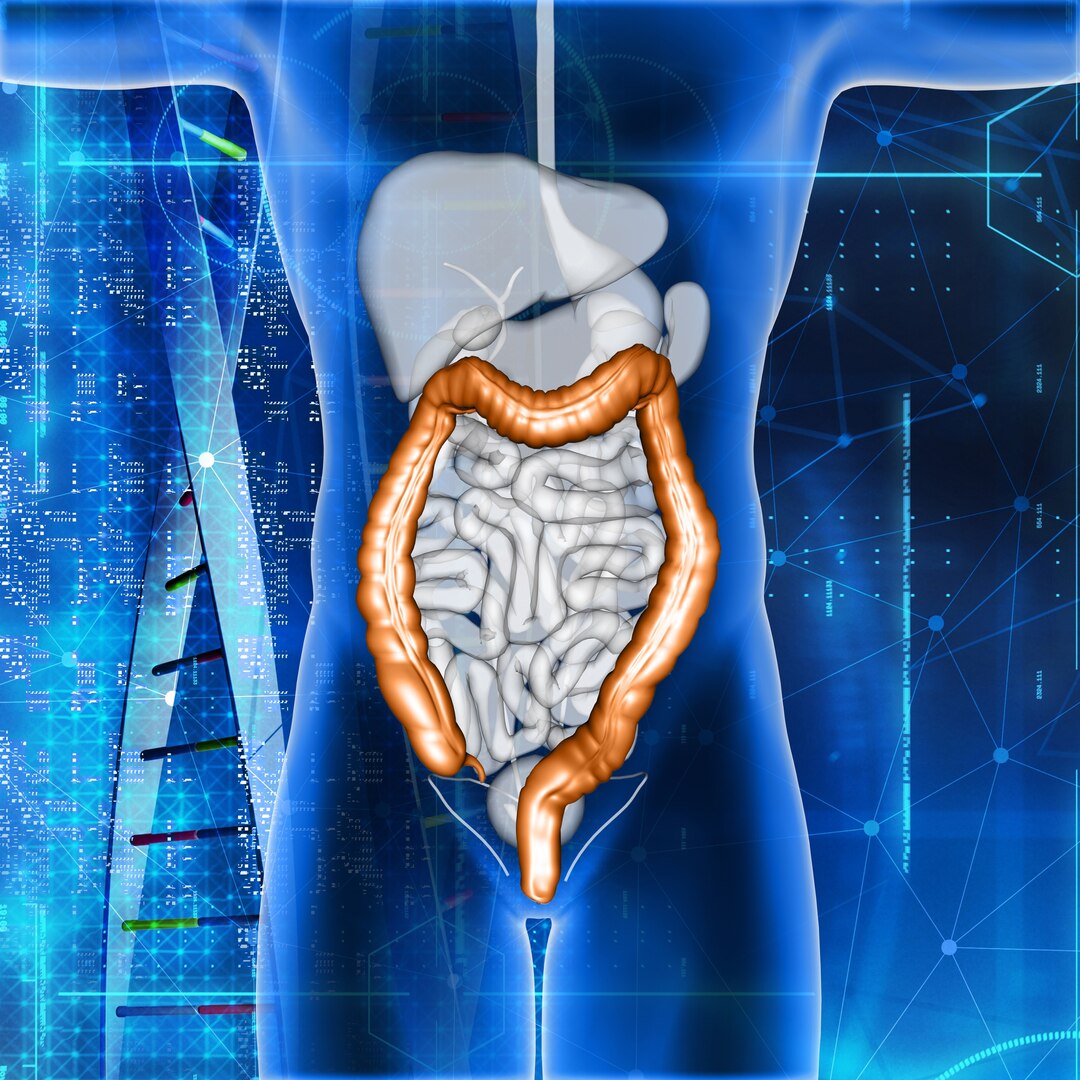
However, colonoscopy is also a procedural and navigational challenge. The colon is a deformable three-dimensional structure, while the endoscopist sees a two-dimensional endoscopic image. Loops can develop during insertion, orientation can become difficult, and parts of the mucosa may not be adequately inspected.
This creates an important distinction:
Detecting pathology is only part of achieving a high-quality examination.
Core Scope is therefore developing complementary AI technologies that focus on navigation and mucosal coverage, rather than replacing existing lesion-detection systems.
Colon Mapping
One element of the platform is Colon Mapping, AI-enabled software being developed to track procedural visualisation and identify areas that may not have been adequately inspected.
The objective is to provide information about what has been seen during the procedure and highlight potentially unobserved areas.
Rather than simply asking whether a lesion is present in the current image, Colon Mapping addresses a different procedural question:
Have we adequately visualised the colon?
This could provide clinicians with an additional layer of information during the examination.
Path Finder
Core Scope is also developing Path Finder, an AI-enabled navigation technology designed to support orientation and direction of travel during colonoscopy.
Because the colon is a complex and deformable structure, maintaining an understanding of where the colonoscope is and which direction it is travelling can be challenging.
Path Finder is intended to provide procedural information that supports the endoscopist during navigation.
Complementary, not competing
An important part of Core Scope’s approach is that its AI technologies are designed to complement rather than replace existing CADe technologies.
The platform focuses on parts of the colonoscopy workflow that sit alongside lesion detection:
Getting there. Maintaining control. Seeing the mucosa. Knowing what has been seen.
This is the broader vision behind Core Scope’s intelligent colonoscopy platform.
Beyond detection
Core Scope believes the future of AI in colonoscopy should extend beyond identifying abnormalities on the screen.
By combining mechanical loop management with AI-enabled navigation and mucosal mapping, the company is developing technology across multiple stages of the procedure.
The vision is not simply smarter image analysis.
It is a more intelligent colonoscopy procedure.